Walk down any skincare aisle and half the bottles claim to be "dermatologist tested" or "dermatologist approved." So what actually makes a dermatologist recommended moisturizer different from the rest? It comes down to the ingredients inside and how well they match your skin — not the marketing on the front of the jar. The good news is that dermatologists agree on a short, well-studied list of what works, which means you can learn to read a label like a pro in a few minutes.
This guide breaks down what that phrase really means, the three types of ingredients every good moisturizer is built from, how to match a formula to your skin type, how to decode an ingredient list, and how to apply it so it actually does its job. The standard is the same one we hold for every formula at GMA Warrior Supplements: evidence over hype.
What "Dermatologist-Recommended" Actually Means
It helps to know that "dermatologist tested," "dermatologist approved," and "dermatologist recommended" are marketing phrases, not regulated certifications. They usually mean a dermatologist was involved somewhere in development or that the product was patch-tested — useful, but not a guarantee of results. What dermatologists genuinely recommend is far more consistent: a fragrance-free cream built around proven hydrating ingredients and matched to your skin type.
The American Academy of Dermatology puts it plainly — for most people, an ointment or cream works better than a thin lotion because creams add more moisture and seal it in. So instead of trusting a badge on the label, the smarter move is to flip the bottle over and check the ingredient list against the short roster of actives the research actually supports. Everything that follows helps you do exactly that, and it pairs with the rest of a good premium skin care routine.

The Three Ingredients Every Good Moisturizer Uses
Every effective moisturizer is built from three categories of ingredients that do different jobs. Understanding them is the single most useful thing you can learn about skincare, because once you do, you stop shopping by brand and start shopping by formula.
Humectants pull water into the upper layers of your skin and bind it there. The most common ones are hyaluronic acid, glycerin, urea, and lactic acid. They're what makes skin feel instantly plumper and softer, and they soften the fine "dehydration lines" that show up when skin is parched.
Emollients smooth and soften the surface by filling the tiny gaps between skin cells. Think shea butter, squalane, and plant oils. They're responsible for that comfortable, supple finish a good cream leaves behind.
Occlusives form a thin protective seal on top of the skin that slows water from evaporating away — a process called transepidermal water loss. Petrolatum, dimethicone, and lanolin are classic occlusives. They lock everything else in.
One more category deserves its own mention: ceramides. These are lipids your skin makes naturally to hold its barrier together, and your levels fall with age. A moisturizer that adds ceramides back — you'll see them on labels as ceramide 1, 3, or 6-II — helps rebuild that barrier rather than just sitting on top of it. The best dermatologist recommended moisturizer formulas combine all of these so the skin is hydrated, smoothed, and sealed at the same time.
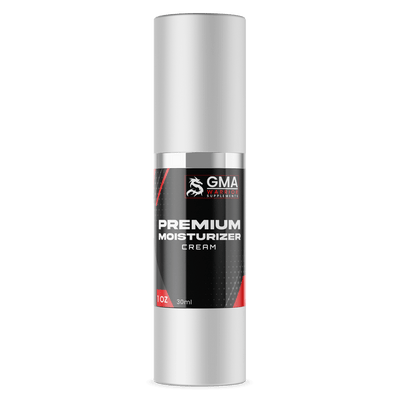
GMA Warrior Premium Moisturizer Cream — a lightweight, USA-made formula with aloe vera and ginseng root extract that supports a hydrated, healthy-looking skin barrier without heavy grease or fragrance.
Shop Premium Moisturizer Cream →How to Match a Moisturizer to Your Skin Type
The "best" moisturizer is the one that fits your skin, and skin type changes what to look for. Matching the formula to your skin is where most people go wrong — a cream that's perfect for one person can break out or under-hydrate another.
Dry skin does best with a richer cream or even an ointment that leans on occlusives and emollients like petrolatum, shea butter, and ceramides to repair and seal a depleted barrier. Oily or acne-prone skin still needs moisture — skipping it often makes oil worse — but should choose a lighter, oil-free formula labeled noncomedogenic, meaning it's formulated not to clog pores. Combination skin usually does well with a balanced lightweight cream, and sensitive skin should keep the ingredient list short and strictly fragrance-free to avoid triggering irritation. For sensitive and dry types especially, a humectant-rich layer under a sealing cream is a reliable combination.

How to Read a Moisturizer Label
Once you know the ingredient categories, a label stops being intimidating. A few practical cues do most of the work. First, choose fragrance-free over "unscented" — the AAD notes that unscented products can still contain masking chemicals that irritate sensitive skin, while fragrance-free means none were added. Second, remember that ingredients are listed in order of concentration, so an active near the very end of the list is likely present in a token amount.
Third, don't pay for prestige. Dermatologists consistently point out that a well-formulated drugstore cream can match a luxury one because the evidence tracks the ingredient, not the price tag or the packaging. Look for a formula with a humectant high on the list, a recognizable emollient or occlusive, and ideally ceramides — that combination beats a long, exotic-sounding ingredient list almost every time. If you also use targeted actives, our guide to vitamin C serum for skin covers how to layer them under your moisturizer.
How to Apply Moisturizer for Best Results
Even the best cream underperforms if you use it wrong, and the fix is simple: apply it to damp skin. Dermatologists recommend moisturizing within about three minutes of washing your face or stepping out of the shower, while your skin still holds a little water — the cream then traps that moisture instead of letting it evaporate. Pat your skin dry rather than rubbing, then smooth the moisturizer on gently.
Apply at least twice a day, morning and night, and any time skin feels tight or dry. In the morning, moisturizer goes on after any lightweight serums and before sunscreen — and sunscreen is non-negotiable, because daily UV exposure is a leading driver of the dryness, dullness, and visible aging a moisturizer is trying to soften. For the bigger picture of how hydration fits alongside anti-aging actives across your whole face, see our guide to building an anti-wrinkle skin care routine.
A realistic note on results: hydration improvements — softer, smoother, more comfortable skin — often show within days. Deeper barrier repair builds over weeks of consistent use. If you have a skin condition like eczema or rosacea, are pregnant or nursing, or react to a new product, check with a dermatologist or your healthcare provider before adding it to your routine. That's the same principle we apply to everything we make: built by martial artists in Gallatin, TN with more than 50 years of coaching behind us, the GMA Warrior standard is do the work, respect the process, and don't fall for shortcuts.

Sources & Research
- American Academy of Dermatology. "Dermatologists' tips for relieving dry skin." aad.org
- Cleveland Clinic. "How To Choose the Best Moisturizer for Your Dry Skin." clevelandclinic.org
- Sethi A, Kaur T, Malhotra SK, Gambhir ML. "Moisturizers: The Slippery Road." Indian Journal of Dermatology. (Reviewed via NIH StatPearls, "Moisturizers," NCBI Bookshelf.) ncbi.nlm.nih.gov
- Madnani N, et al. "Revitalizing the skin: Exploring the role of barrier repair moisturizers." Journal of Cosmetic Dermatology, 2024. onlinelibrary.wiley.com