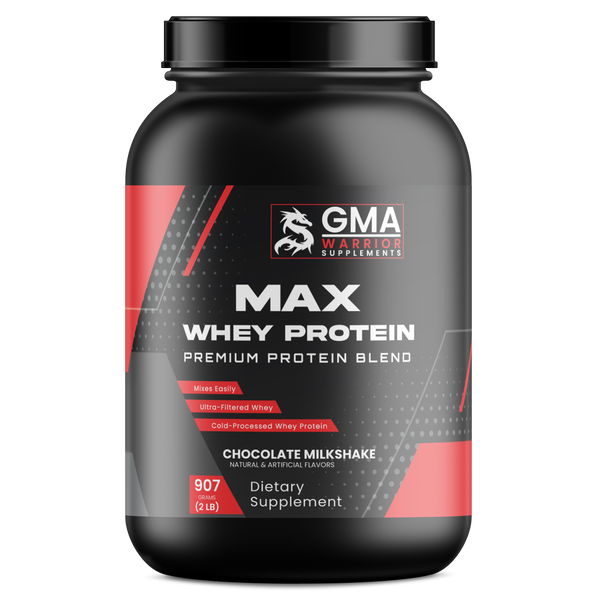
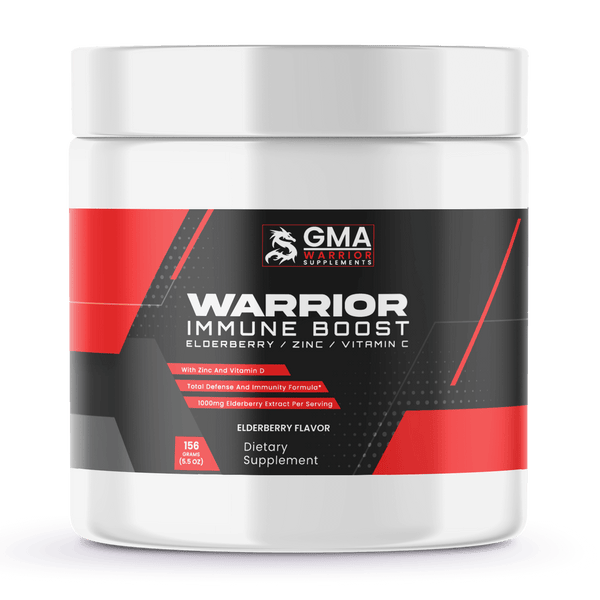
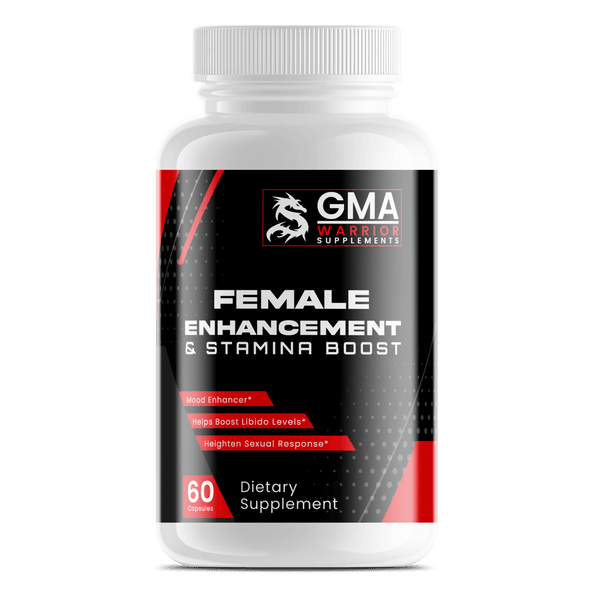
About General Health
The foundation of long-term wellness. Our general health collection covers the essentials — daily nutrition gaps, digestive health, cardiovascular support, immune function, and joint mobility. These are the quiet supplements that work in the background, supporting the systems that keep you training, working, and living at full capacity. Start with our guide to probiotics for gut health — one of the most impactful daily supplements for immune function and digestion.
Every formula is manufactured in an FDA-registered, GMP-certified facility in the USA with third-party ingredient testing. No proprietary blends, no marketing fluff — just research-backed ingredients at effective doses, fully disclosed on every label. Formulated by martial artists with 50+ years of training and teaching experience.
-
GMA Warrior Max Omega 3
Normaalihinta $18.99 USDNormaalihintaYksikköhinta kohti -
GMA Max Mushroom Immune Booster
Normaalihinta $19.99 USDNormaalihintaYksikköhinta kohti -
GMA Warrior Max B12 Drops
Normaalihinta $17.99 USDNormaalihintaYksikköhinta kohti -
GMA Max Sugar Control
Normaalihinta $18.99 USDNormaalihintaYksikköhinta kohti -
GMA Warrior Max Probiotic 40 Billion CFU
Normaalihinta $20.99 USDNormaalihintaYksikköhinta kohti -
GMA Max Turmeric Joint Support
Normaalihinta $18.99 USDNormaalihintaYksikköhinta kohti


Frequently Asked Questions
Common questions about general health
What are the best probiotics for gut health?
The best probiotic for you depends on what your gut actually needs. For general digestive support, a broad-spectrum formula with multiple strains and 20-40 billion CFU covers most bases. Multi-strain formulas typically outperform single-strain products because different bacteria support different parts of the gut. Look for strains like Lactobacillus acidophilus, Bifidobacterium lactis, and Lactobacillus rhamnosus — these are the most-researched and widely validated. Take probiotics consistently for at least 4-6 weeks to see noticeable results.
How much omega-3 should I take daily?
Most research supports 1,000-2,000 mg of combined EPA and DHA per day for general health and cardiovascular support. Athletes, people with joint issues, or those with elevated inflammation markers may benefit from higher doses. Check the EPA+DHA numbers on the label — not just the total fish oil amount. A 1,000 mg fish oil capsule often contains only 300 mg of actual EPA+DHA, so you'd need 3 capsules to hit the research-backed dose.
What does turmeric (curcumin) actually do?
Turmeric's active compound, curcumin, is one of the most-studied natural anti-inflammatory agents. Research supports its use for joint comfort, exercise recovery, and general inflammation support. The challenge is absorption — curcumin alone is poorly absorbed by the body. Look for formulas that include black pepper extract (piperine) which can increase absorption by up to 2,000%, or formulations specifically designed for enhanced bioavailability.
Do I need a B12 supplement if I eat meat?
Most meat-eaters get enough B12 from diet alone, but there are exceptions. People over 50 lose the ability to absorb B12 from food efficiently as stomach acid production declines. People taking acid-reducing medications (PPIs, H2 blockers) and those with certain digestive conditions are also at risk. Athletes and those under chronic stress often benefit from additional B12 because it's rapidly depleted during recovery and energy production. Liquid drops are particularly absorbable for those with absorption challenges.
Can I take multiple supplements together?
Yes, but timing matters. Fat-soluble supplements (omega-3, vitamin D, turmeric) should be taken with a meal containing some fat. Minerals like calcium and iron compete for absorption, so space them out. Probiotics work best on an empty stomach or with a light meal. And caffeine can reduce absorption of some minerals, so keep coffee separate from multivitamins. Start with a daily multivitamin and add one targeted supplement at a time rather than building a complex stack all at once.
Are these supplements safe with medications?
Many supplements can interact with prescription medications. Omega-3 supplements can affect blood thinning medications. Turmeric can interact with blood thinners and blood sugar medications. Probiotics should be discussed with your doctor if you're immunocompromised. Always consult your healthcare provider before starting any new supplement regimen, especially if you're taking prescription medication or managing a medical condition. These statements have not been evaluated by the FDA. This product is not intended to diagnose, treat, cure, or prevent any disease.