A hyaluronic acid serum is one of the simplest ways to make skin look plumper, smoother, and more hydrated — but only if you use it correctly. Applied the wrong way, the same serum can actually leave your face feeling tighter and drier than before. The molecule itself is remarkable: hyaluronic acid is a sugar your body already makes, and a single gram can hold up to six liters of water. The trick is getting that water into your skin and keeping it there.
This guide covers what a hyaluronic acid serum really does, why molecular weight matters, how to apply it for maximum hydration, and what results you can honestly expect. No hype — just what the clinical research supports.
What a Hyaluronic Acid Serum Actually Does for Your Skin
Hyaluronic acid (HA) is a humectant — a molecule that pulls water toward itself. Your skin, joints, and connective tissue produce it naturally, but levels decline with age, sun exposure, and hard living. A topical hyaluronic acid serum tops up the surface supply, drawing moisture into the outermost layers so skin looks fuller and fine lines soften as they fill.
The benefit is measurable, not just cosmetic marketing. In one multicenter evaluation of a topical HA serum, researchers recorded improvements in skin hydration using moisture-sensor technology and skin biopsies, with visible gains in the look of fine lines and texture. A 2024 clinical evaluation of multi-weight HA formulas saw moisturization begin within 30 minutes of application and improvements in dryness, roughness, and fine lines by week two. HA supports the skin's moisture barrier — it does not "cure" a skin condition, and it is not a substitute for dermatological care if you have one.

High vs Low Molecular Weight: Why It Matters
Not all hyaluronic acid is the same size, and size changes how it works. High-molecular-weight HA sits on the skin surface, forming a breathable film that holds water and smooths the look of the complexion right away. Low-molecular-weight HA is small enough to settle into the upper layers of the epidermis, where it hydrates a little deeper and helps the effect last.
The best hyaluronic acid serums often combine both. A 2024 dermatology scoping review on low-molecular-weight HA found that smaller fragments improved hydration in dry, mature skin and were well tolerated, while surface-level high-weight HA delivered the immediate plumping most people notice first. When a label lists "multi-weight" or "cross-linked" HA, that is the formulator building in both the quick surface effect and the longer hold. It is the same layered thinking we bring to every fighter-tested formula at GMA — the right ingredient, in the right form, doing a specific job.
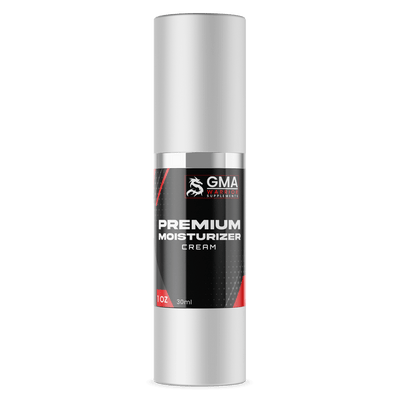
GMA Warrior Premium Moisturizer Cream — the sealing step your hyaluronic acid serum needs. Powered by aloe vera, cucumber, ginseng, carrot, and avocado oil to lock in hydration and support skin elasticity through training and weight changes.
Shop Premium Moisturizer Cream →How to Use a Hyaluronic Acid Serum the Right Way
This is where most people go wrong. Because HA is a humectant, it grabs whatever water is nearest — and if your skin is bone-dry and the air is dry, it can pull moisture out of deeper layers instead of adding it. The fix is simple: apply to damp skin and seal it.
Here is the dermatologist-backed routine:
- Cleanse and pat to about 80% dry. Leave your skin slightly damp — not dripping, not fully dry.
- Apply the serum to damp skin. A few drops pressed gently over the face and neck is plenty.
- Wait 30 to 60 seconds, then seal with a moisturizer while the HA is still tacky. Sealing is not optional — on its own, a hyaluronic acid serum will not stop water from evaporating.
- Use it morning and night. HA layers well under sunscreen in the day and pairs with your overnight cream.
That sealing step is why a good moisturizer matters just as much as the serum. If you want the full breakdown on choosing one, see our guide to picking a dermatologist recommended moisturizer to layer on top.

What Results to Expect — and What HA Won't Do
Be realistic. A hyaluronic acid serum is a hydration tool, and hydration is what it delivers well: an immediate plumping that softens the look of fine lines and a smoother, more supple surface over a few weeks of consistent use. In clinical testing of topical HA serums for facial photoaging, participants saw steady improvement in hydration and the appearance of fine lines across the study period.
What it will not do: rebuild collagen, erase deep wrinkles, or replace an active like a retinoid. Those are different jobs for different ingredients. HA fills and hydrates; it does not remodel skin structure. For the anti-aging heavy lifting, HA works best as the hydrating base layer alongside proven actives — our breakdown of an anti wrinkle serum covers where retinoids, vitamin C, and peptides fit into the same routine. You will find hyaluronic acid throughout the premium skin care approach for exactly this reason: it makes everything else feel and apply better.
Choosing a Quality Hyaluronic Acid Serum
Concentration matters, but more is not better. Most effective serums use hyaluronic acid in the 0.2% to 2% range; push it much higher and you can trade hydration for irritation. Look for a formula that pairs multiple molecular weights, keeps the ingredient list clean, and comes from a maker who tests what they sell. That last point is the one shoppers skip — a serum is only as good as the sourcing and testing behind it.
If your skin is reactive, broken, or you are managing a diagnosed skin condition, introduce any new serum slowly and check with a dermatologist first. Patch-test on your inner arm for a couple of days before it goes on your face. Hydration should feel good; it should never sting.

Sources & Research
- Draelos ZD, et al. "Efficacy Evaluation of a Topical Hyaluronic Acid Serum in Facial Photoaging." Dermatology and Therapy, 2021. ncbi.nlm.nih.gov
- Jegasothy SM, et al. "Multicenter Evaluation of a Topical Hyaluronic Acid Serum." Journal of Cosmetic Dermatology, 2022. ncbi.nlm.nih.gov
- "Clinical Evaluation of Next-generation, Multi-weight Hyaluronic Acid Plus Antioxidant Complex-based Topical Formulations." Journal of Clinical and Aesthetic Dermatology, 2024. ncbi.nlm.nih.gov
- "Update on Low-Molecular Weight Hyaluronic Acid in Dermatology: A Scoping Review." European Medical Journal, 2024. emjreviews.com