Every hard round on the mat and every heavy training session leaves microscopic damage in your muscle fibers. How fast you bounce back — how ready you are for tomorrow's session — comes down to recovery. And while sleep and food do most of the heavy lifting, the right supplements for muscle recovery can genuinely tilt the odds in your favor. The catch is that the supplement aisle is full of products promising the world and delivering almost nothing.
After 50+ years of coaching fighters through hard training blocks, we've watched a lot of trends come and go. This guide cuts through the marketing to the handful of supplements that actually hold up in the research — what each one does, the dose that works, and where your money is better spent on a good night's sleep.
What Muscle Recovery Actually Involves
Recovery isn't one process — it's three happening at once. First, your body repairs the tiny tears in muscle fibers caused by training, a process driven by muscle protein synthesis. Second, it refills the glycogen (stored carbohydrate) your muscles burned for fuel. Third, it works through the short-term inflammation that hard exercise triggers — the same inflammation responsible for that day-two soreness every athlete knows.
Good supplements support one or more of these jobs. They don't replace them. No capsule out-trains a bad diet or a chronic sleep deficit — but used on top of solid basics, a few of them measurably speed the process. The rest of this guide ranks them by how much evidence actually backs the claims.

The Best Supplements for Muscle Recovery, Ranked by Evidence
When researchers put the major recovery supplements head-to-head, a clear hierarchy emerges. A 2026 systematic review and network meta-analysis in Nutrients pooled 35 randomized trials of trained athletes and found that creatine ranked highest for strength gains, while protein came out on top for endurance and work capacity. Omega-3s earned a supporting role for managing inflammation rather than driving performance directly.
Translated to the gym floor: protein and creatine are the two that earn a permanent spot in your routine. Everything else — omega-3s, tart cherry, magnesium — is a useful add-on for specific situations, not a foundation. Let's take them in that order.
Protein: The Non-Negotiable Foundation
Nothing you take supports recovery more directly than adequate protein. Muscle repair runs on amino acids, and if you're not eating enough of them, no other supplement will rescue the process. Most athletes training hard do well on roughly 1.6 to 2.2 grams of protein per kilogram of body weight per day, spread across meals.
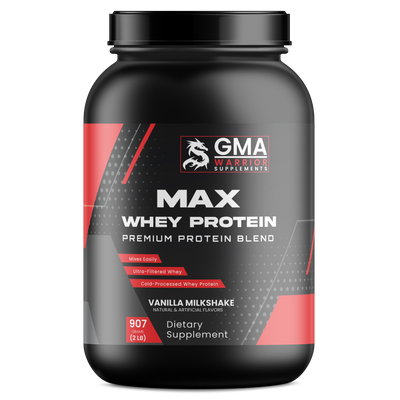
A protein powder isn't magic — it's simply a convenient way to hit that number when whole food isn't practical, like right after training. If you want the full breakdown on timing and dosing, see our complete guide to protein powder for muscle recovery. The short version: total daily protein matters far more than the exact minute you drink your shake. You'll find both whey and plant options in our premium sports nutrition collection.
Creatine: The Most Underrated Recovery Tool
Most people think of creatine as a strength-and-size supplement, and it is the single most researched, most reliable one on the market. But it's also quietly one of the best recovery aids you can take. Beyond boosting strength output, studies show creatine helps replenish the phosphocreatine your muscles use for explosive effort, and some trials report it reduces markers of muscle damage and soreness after hard sessions. The International Society of Sports Nutrition's position stand calls creatine monohydrate both safe and effective for exactly these purposes.
The protocol is simple: 3 to 5 grams of creatine monohydrate daily, every day, taken whenever is convenient. No loading phase is required — consistency is what fills your muscle stores over the first few weeks. For the finer points, read our guide on the best time to take creatine.
GMA Warrior Creatine Powder — pure creatine monohydrate, no fillers or sugar, third-party tested for the daily 5-gram dose that supports strength, energy, and recovery.
Shop Warrior Creatine Powder →
Omega-3s and Tart Cherry: Managing Inflammation
If protein and creatine are the foundation, the next tier is about managing the inflammation side of recovery. Omega-3 fatty acids — the EPA and DHA found in fish oil — have solid evidence for reducing markers of exercise-induced muscle damage and inflammation when taken consistently at around 2 to 3 grams of combined EPA and DHA per day. They won't make you stronger, but they help the soreness settle faster. Our deep dive on omega 3 benefits for athletes covers the dosing in detail.
Tart cherry is the trendy one, and here honesty matters. A 2025 meta-analysis found tart cherry juice significantly improved strength recovery after muscle-damaging exercise — but it did not meaningfully reduce soreness or the inflammatory marker CRP. In other words, it may help you get your power back a little sooner, but it's not the anti-soreness miracle the marketing suggests, and the evidence is still limited. Treat it as an occasional tool around a hard competition block, not a daily staple.

What the Supplements Can't Do
Here's the part the labels won't tell you: the biggest recovery levers aren't in a bottle at all. Sleep is where the majority of muscle repair actually happens — seven to nine hours does more for your recovery than any powder on this list. Consistent nutrition, hydration, and smart programming that manages your training load matter just as much. The supplements are the final few percent, not the first fifty.
That's a lesson every seasoned competitor learns eventually. The recovery habits we teach through 50+ years of martial arts training at Global Martial Arts USA — rest, mobility work, honest self-assessment — are what let athletes keep training hard for decades. Supplements support that foundation; they never substitute for it. If you have a medical condition, take medication, or are pregnant or nursing, talk with your healthcare provider before starting any new supplement.
Build the basics first. Then add protein and creatine as your daily anchors, use omega-3s to keep inflammation in check, and reach for the rest only when they earn their place. That's how you recover like a fighter.
Sources & Research
- Comparative Effects of Dietary Protein, Creatine, and Omega-3 Supplementation on Muscle Strength, Endurance, and Recovery in Trained Athletes: A Systematic Review and Network Meta-Analysis. Nutrients, 2026;18(6):909. mdpi.com
- Kreider RB, et al. International Society of Sports Nutrition position stand: safety and efficacy of creatine supplementation in exercise, sport, and medicine. Journal of the International Society of Sports Nutrition, 2017;14:18. jissn.biomedcentral.com
- Dehghani E, et al. The effect of tart cherry juice supplementation on exercise-induced muscle damage in an athletic population: a systematic review and meta-analysis. Annals of Medicine and Surgery, 2025;87(2):880–890. ncbi.nlm.nih.gov
- National Institutes of Health, Office of Dietary Supplements. "Omega-3 Fatty Acids — Fact Sheet for Health Professionals." ods.od.nih.gov